Store selector: No store selected

"I am an accountant by profession, and currently work as the Accounting & Finance Manager at a private real estate company in the GTA. I enjoy all things hands-on. I love to play sports, travel and spend time with my family."
When a man wants to cook outdoors, he can do so in a variety of ways: charcoal and propane BBQs, electric grills, turkey fryers, infrared fryers, smokers, spit roasters and the classic "over a campfire because I have nothing else" method. Thanks to his remarkable tandoor oven, Hamza now adds another option to the list. Simple in design, tandoor ovens can produce a surprisingly high amount of heat. And when you're cooking authentic dishes, the best way is always the traditional way. Only this time, tradition goes stainless steel.
Great project, Hamza! Thank you for sharing it with us!
Q: What is it used for?
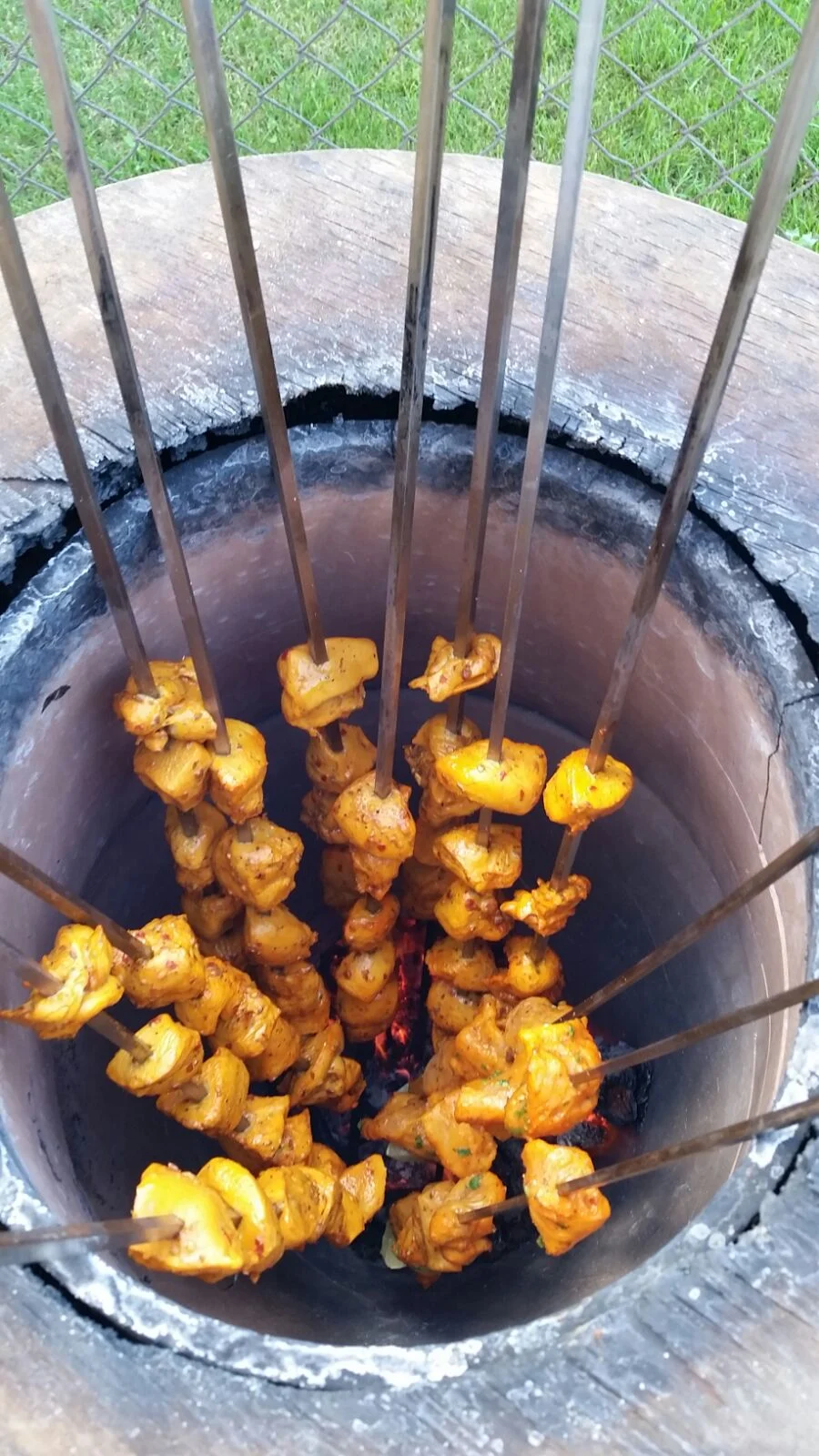
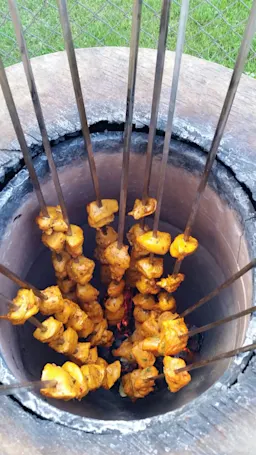
A: A tandoor is used to make tandoori dishes (i.e. naan bread, tandoori fish/chicken, kebabs). The clay pot side walls are used to hold the naan bread, and skewers for meats.
Q: What is the main power source for your project? (e.g. electric motor, gas engine etc.)
A: Charcoal, but to get the best cooking results you have to use wood.
Q: How do you control your project? (e.g. hydraulic control valve(s), electric switches etc.)
A: By vent hole and lid. The concept is that of a blast furnace: air is forced in from the bottom and it escapes through the top while creating a very high temperature within. You control the temperature by the amount of wood in the tandoor and air coming in from the intake.
Q: What design/build challenges were overcome?
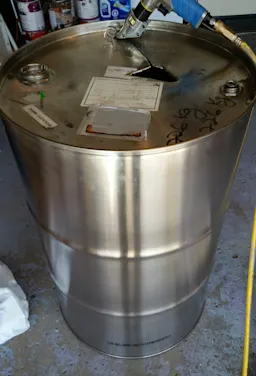
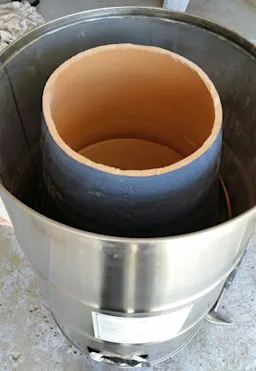
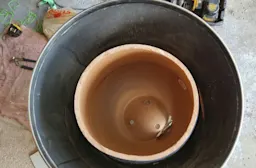
A: The drum I got off of Kijiji; I was lucky to score a stainless steel one. It was used to transport tea tree oil, and had a wonderful aroma when I got it. But a regular steel drum will also suffice. I measured the height of the drum and took off the bottom of one of the clay pots so that when I put them together, the top would be relatively flush with the rim of the drum. Pea gravel is used at the bottom to make sure it doesn't get top heavy in any way, and you only need about a bags' worth. Finding the right insulation material that was light, yet effective took some reflection. And large enough clay pots for it to be functional. You'll see one of the pictures shows a white fluffy material between the clay pots and drum - it's called perlite, available at most garden centers. It has amazing heat insulation properties; you can hold a blow torch to this stuff and it won't catch fire, and touch it right after as it doesn't get hot either. Plus it's as light as popcorn. I believe I used about a 50 litre bag of perlite. I used a high temperature stove and furnace cement for around the HVAC duct, for securing where the two clay pots met in the middle, and anywhere else where I needed to fill in any gaps. I used a standard insulation at the top, one rated for high temperatures. It's to keep the perlite from blowing away. A wood ring sits on top of the drum to cover the insulating materials. I used a pizza pan for the lid, and installed a wood handle and cooking thermometer.
Q: If you had to build it again, what would you do differently?
A: Nothing. I've used it for 2 summers in a row now, and every weekend we make something in it. The results have been exceptional! Taste is better than the restaurants as I use wood, as opposed to natural gas.
Q: Was there a learning curve in order to master the cooking process?
A: Huge learning curve. Depending on what you're cooking, it all requires different temperatures. For example, meat does not require as high a temperature as naan bread. I had to make sure to place the meat at the right spots on the skewer, not too high, not too low, and evenly spaced. The pictures show the wood being positioned inside; the paper is lit at the bottom and the air intake is directed towards the wind. The whole thing goes up in flames (same principles as a blast furnace). When lighting the tandoor, I always keep the wooden top off as it can smolder/catch fire from the intense heat. When the fire has calmed down, it is safe to put it back on. Of course, never use this indoors, including garages, as the heat is extremely intense as it shoots upward. Lastly never cool the tandoor down with water, as the clay pots will crack. It needs to cool down naturally.
Q: Which Princess Auto location do you visit most?
A: Mississauga, Ontario