Store selector: No store selected

When you use liquid fertilizer, weed killer, or pesticides, it's important to choose the right sprayer. This guide helps you choose the right model. It covers nozzle spray patterns, maintenance and safety.
The right sprayer machine farm setup depends on your land, your liquid type, and your sprayer needs. Whether you’re a sprayer farmer handling acres of crops or a homeowner maintaining lawns and gardens, there’s a sprayer for you.
Backpack Herbicide Sprayer
Ideal for homeowners and landscapers
Available as manually pump or battery-powered
Useful for applying weed control sprayer solutions on lawns
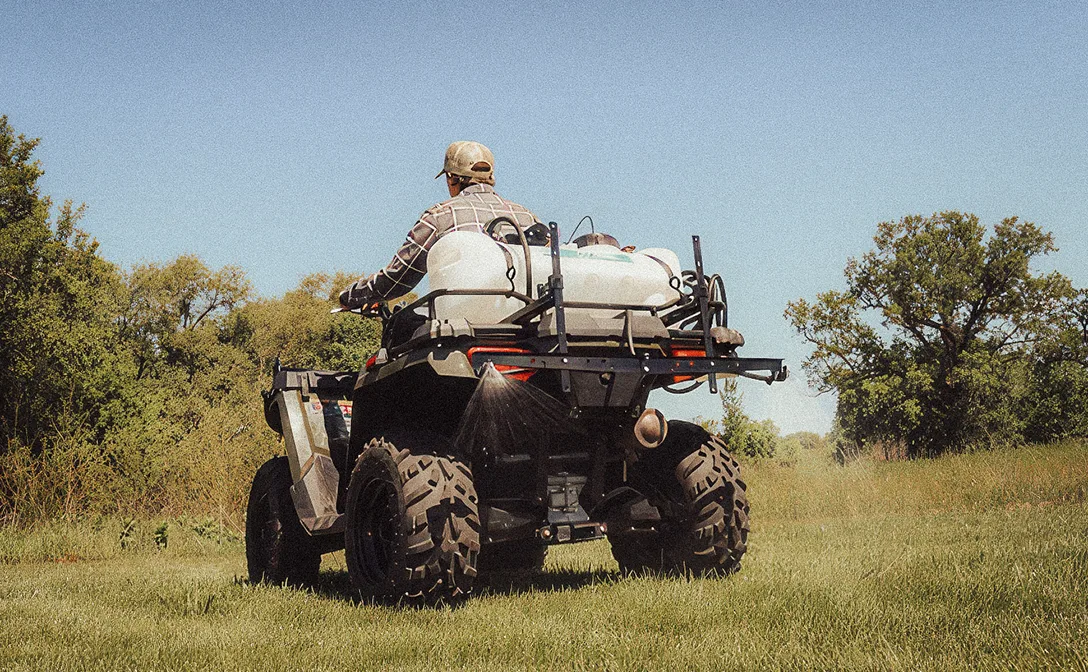
ATV Pesticide & Herbicide Sprayers
Mounts onto ATVs or UTVs
Pairs with a sprayer tank for ATV
Great for farm equipment sprayer setups in tight spaces or on rural acreages.
Handheld Garden Sprayer for Pesticides
Lightweight and portable
Best for smaller yards and flower beds
Produces a fine mist for delicate plants
Farm Crop Sprayer & Boom Sprayers
Includes field sprayer for tractor, boom sprayer for farm, and tractor sprayer attachments
Delivers high pump pressure and wide spray patterns
Common in agriculture pesticide sprayer setups
Antique Pesticide Sprayer (Collector’s or Legacy Use)
Often restored for display or light use
Can be referenced for design inspiration or historic interest
Choosing the right farm sprayer nozzles makes a huge difference in efficiency, safety, and coverage.
| Nozzle Type | Pattern Type | Best For |
|---|---|---|
Fan Nozzle | Flat, even coverage | Lawns, lawn herbicide sprayer use |
Cone Nozzle | Hollow or solid cone | Trees, dense foliage, weed control |
Flooding Nozzle | Heavy, low-pressure flow | Soil treatments, liquid fertilizer |
Boomless Nozzle | Wide spray without a boom | Uneven terrain or small farms |
Tip: Look for nozzles that support high pressure for stubborn weed control tasks.
Using and cleaning your agricultural pesticide sprayer or herbicide boom sprayer properly makes it work better. It also helps prevent cross-contamination.
Using Your Sprayer
Always add chemicals to water, not the other way around
Wear protective gear (gloves, goggles, and mask)
Use separate sprayers for herbicide and pesticide if possible
Avoid spraying in wind to reduce drift
How to Clean a Pesticide Sprayer
Rinse the sprayer tank thoroughly with clean water
Flush hoses, nozzles, and spray wand
Run a cleaning solution (neutralizing agent) through the system
Drain completely, and allow to air dry
For winter, flush with RV antifreeze to prevent freeze damage
Regular cleaning helps avoid clogging in your herbicide hose sprayer and protects tank capacity and pressure.
A well-maintained farm sprayer or herbicide pump sprayer will last for years.
Check and replace spray guns, seals, and hoses as needed
Clean nozzles monthly
Store your farm sprayer equipment in a dry, covered location
Lubricate pump components
Ensure your spray patterns are consistent before every job
For heavy duty sprayers, schedule seasonal maintenance to maintain consistent pump pressure and flow.
Using a pesticide sprayer or electric herbicide sprayer requires safety at every step:
Always wear long sleeves, gloves, eye protection and also wear appropriate footwear like rubber boots.
Never mix unknown solutions—check labels for compatibility
Keep children and animals away from spray zones
Label each farm equipment sprayer to prevent accidental misuse