Store selector: No store selected

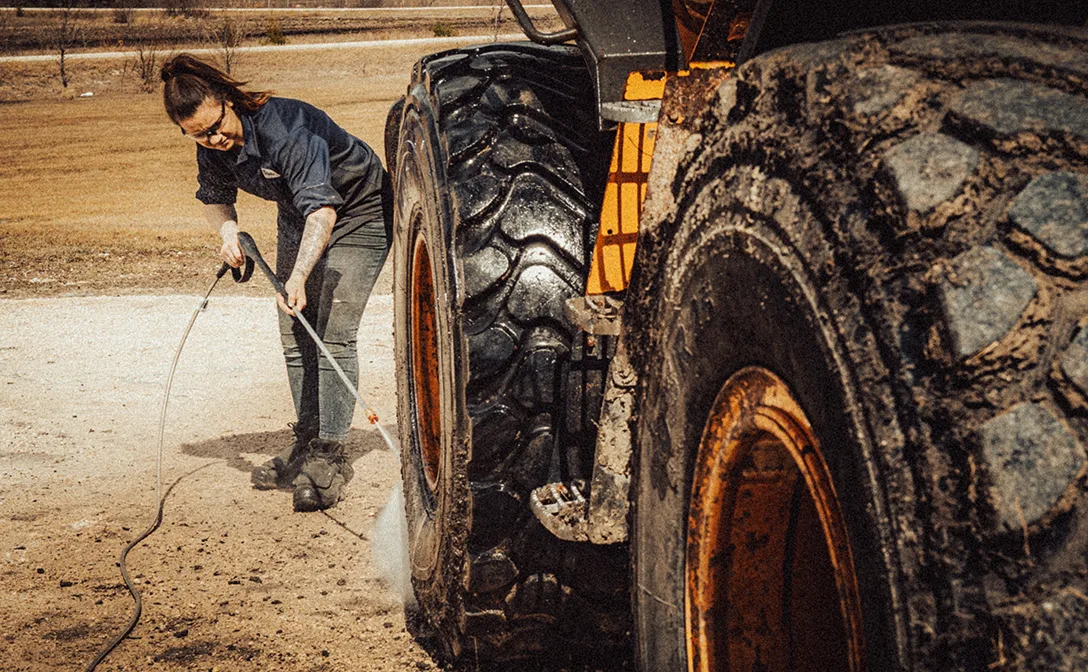
Pressure washers are game changers - say goodbye to stubborn dirt, grime and stains in minutes! Whether you’re sprucing up your driveway, deck or car, or even dreaming of launching a pressure washing business, this guide has you covered.
Choosing the right pressure washer can be confusing. However, it comes down to two main factors: PSI (Pounds per Square Inch) and GPM (Gallons per Minute).
PSI (Pressure): This is the muscle behind the water — a higher PSI blasts away tough dirt and grime.
GPM (Flow Rate): Think of this as the speed — more gallons per minute means faster cleaning.
Here’s a quick guide to match your needs:
Light-duty (Home) 1,300 to 2,000 PSI Cars, patio furniture, small decks
Medium-duty (Farm) 2,000 to 3,000 PSI Driveways, fences, farm gear
Heavy-duty (Pro) 3,000+ PSI Machinery, paint stripping
New to pressure washing? Start with a light-duty model — perfect for beginners!
Best PSI for cars: 1,300 to 1,800
Safest nozzle for beginners: White (40°)
Winterizing must-have: Pump Saver fluid
Not sure whether to go gas or electric? Here’s the breakdown:Gas-Powered Pressure Washers
More power — great for commercial or industrial jobs
Portable — no cords to tie you down
Higher PSI and GPM for deep cleaning
Louder than a rock concert
Needs regular maintenance (oil changes, anyone?)
Fumes mean outdoor use only
Electric Pressure Washers
Quieter operation
Lightweight and easy to maneuver
Works indoors or outdoors
Less PSI than gas models
You’re tethered to an outlet
Fun Fact: A 2024 survey found 65% of homeowners prefer electric models for their quieter performance.
Using a pressure washer. Here’s your foolproof guide:
Step 1: Setup
Hook it up — connect your washer to a garden hose with a steady water supply.
Pick your nozzle—different tips control the spray (more on that later).
Power it on: • Electric: Plug in and hit the button. • Gas: Check fuel, flip the choke, and pull the starter cord.
Step 2: Pressure Washing Process
Test with a low-pressure nozzle (like the white 40°) to avoid damage.
Stay 12 inches from the surface — any closer can mean trouble!
Sweep in smooth, overlapping strokes — this helps minimize streaks.
For fragile spots (like siding), drop the PSI or use a wider nozzle.
Step 3: Wrap It Up
Shut it off and squeeze the trigger to release pressure.
Unplug or disconnect the hose.
Store it somewhere dry — your garage is perfect during warmer months. Store indoors during winter months to avoid water freezing in the pump, which will ruin your washer.
The right nozzle makes all the difference. Here’s what each color does:
| Nozzle Color | Angle | Best For |
|---|---|---|
Red (0°) | Direct jet | Tough stains (use with caution!) |
Yellow (15°) | Narrow fan | Stripping paint, heavy dirt |
Green (25°) | Medium fan | Decks, patios, general cleaning |
White (40°) | Wide fan | Cars, windows, siding |
Black (Soap) | Low-pressure | Applying detergent |
Cleaning your deck? Here’s how to do it right:
Sweep away leaves and debris — give your washer a clear shot.
Grab a wood-safe detergent and apply it with the black soap nozzle.
Use a wide-angle (40°) nozzle and keep PSI below 1,500 for softwoods like cedar — test a small spot first to avoid splintering.
Spray along the wood grain for a smooth, even finish.
Let it dry fully (24 to 48 hours) before sealing or staining.
Freezing temperatures can wreck your pump and hoses — here’s how to winterize your pressure washer:
Drain ALL water from the pump, hose, and gun.
Run Pump Saver fluid or RV antifreeze through the system (about $10 at hardware stores).
Store it in a dry spot above 0°C (32°F) — your basement works great.
Costs vary by location and whether you DIY or hire a pro. Here’s a rough idea:
| Service Type | Cost Range |
|---|---|
DIY (Equipment Rental) | $50 to $150 |
Professional Service | $250 to $500 |
High-End (Roof & Gutters) | $500+ |
Save Cash: DIY is cheaper, but pros ensure flawless results without risking damage.
Absolutely! Here’s why pressure washing could be your next hustle:
Startup Costs: $1,000 to $5,000
$500 for a solid washer
$200 for marketing (flyers, ads)
$300 for extras (nozzles, detergent)
Average Job Revenue: $250 to $500 per house
Yearly Profit Potential: $50,000 to $100,000+
Pro Tip: Start with residential gigs, then scale up to commercial jobs for bigger paydays.
Proceed with caution! Too much PSI (over 2,000) can peel paint right off. Here’s how to clean safely:
Use a wide-angle nozzle (25° or 40°).
Stay at least 12 inches away.
Pair it with a car-safe detergent.
Avoid using red or yellow nozzles — they’re too intense and could leave you with a pricey repair bill.