Store selector: No store selected

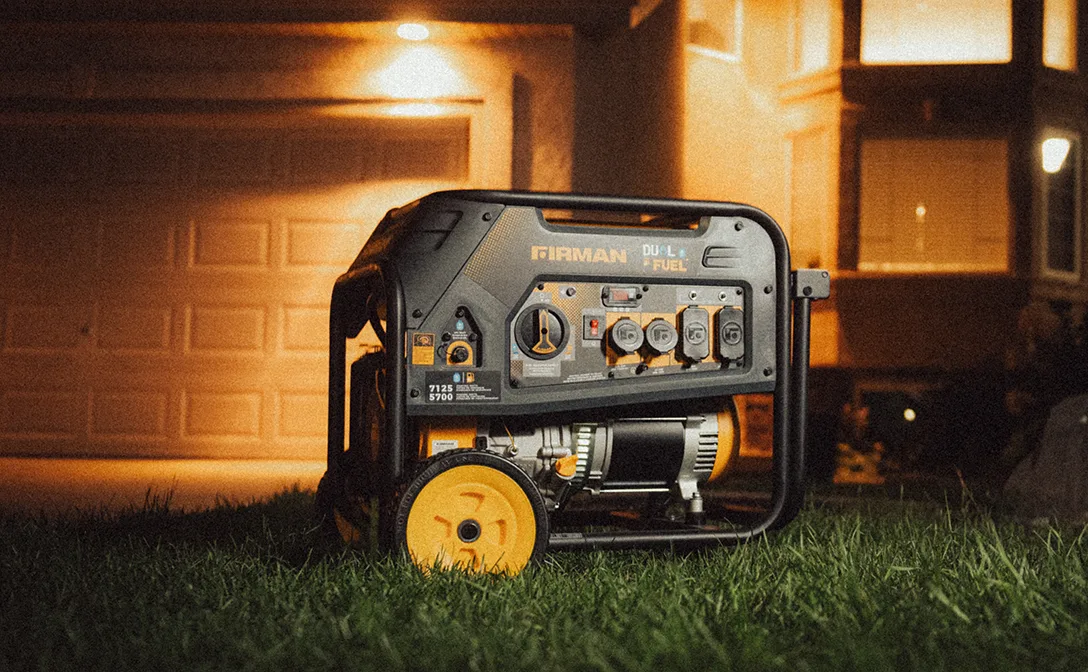
Choosing the right portable generator is important. This guide will help you choose the best generator. It covers wattage needs, setup tips, and maintenance practices.
Generators come in all shapes and power levels. Here’s how they stack up by use case:
Best Generators by Application
| Use Case | Best Generator Type |
|---|---|
Camping & RVs | Quiet inverter generator or solar generator |
Job Sites | Gas generator, diesel generator, or dual fuel generator |
Home Backup | Generator for home backup with electric start |
Construction Sites | Heavy-duty gas generator with multiple outlets |
Electronics & Sensitive Devices | Best inverter generator for electronics |
For off-grid campers, the quiet generator for camping or a generator for RV is ideal thanks to low noise and clean power.
Choosing the right generator means knowing what you plan to power.
Running Watts vs Starting Watts
Running Watts: The amount of power your devices needs to function.
Starting Watts: Temporary surge power when motors first turn on
Use a generator wattage chart or wattage calculator for generator to total your requirements
Example:
Table Saw: 1,800 watts (starting)
Corded Drill: 504 watts (running)
Total need = ~2,304 watts → choose a
generator with at least 2,500 running watts
Check out our wattage reference chart for tool-by-tool requirements.
Choosing the best portable generator means considering features for convenience and performance:
Electric start generator – skip the pull cord
Fuel tank capacity generator – longer run time between refills
Generator power outlets – match your tools’ plugs (120V, 240V, twist-lock, etc.)
Parallel generator connection – combine 2 units for more power
Extension cord for generator – ensure it’s heavy gauge and the proper length
| Term | What It Means |
|---|---|
Volts (V) | The electrical pressure or force (usually 120V or 240V) |
Amps (A) | Current flow—how much electricity is moving |
Watts (W) | Total electrical power (Volts × Amps) |
Reactive Load | Devices like power tools that need more power at startup |
Resistive Load | Devices like light bulbs or toasters that use steady power |
The difference between a reactive load vs resistive load matters when sizing your generator correctly.
Whether you're using a small generator, solar generator, or diesel unit, follow these key safety practices:
Never run indoors—exhaust contains carbon monoxide
Always ground the generator before use
Refuel only when the engine is off and cool
Let the unit sit level to avoid fuel spills
Use outdoors or in well-ventilated areas
Planning for home use? A portable generator ≠ whole-home backup system. Consult an electrician for safe installation and recommendations.
Your generator will last longer and perform better with regular care. Here’s how to maintain it:
Run the generator on clean fuel
Add stabilizer to prevent clogs in long-term storage
Check and change the oil regularly
Keep air filters clean and spark plugs inspected
Clean the carburetor if the unit sputters or won’t start
Follow your owner’s manual for generator maintenance tips
Not starting after storage? Try cleaning the generator carburetor and ensuring you have the 3 necessary things for ignition - fuel, air, spark.
To improve usability and expand functionality, consider:
Spray-resistant covers for all-weather use
Extension cords designed for generator use
Fuel stabilizers to extend gasoline life
High altitude generator adjustment kits if using above 5,000 ft
Wheel kits for moving heavier units
Need more power? Use a parallel generator connection kit with inverter models to double your output.
Q: Which generator is best for jobsite use?
A: A gas or diesel generator with high wattage, multiple outlets, and heavy-duty construction.
Q: Can I use a solar generator for camping?
A: Yes—ideal for charging electronics, lights, and small appliances in quiet, eco-friendly setups.
Q: How do I ground a generator safely?
A: Depending on how the generator is used, you may need a ground rod and copper wire to properly and safely ground it. Check the owner’s manual or consult a qualified electrician for guidance.
Q: What size generator do I need for home backup?
A: Use a wattage calculator or speak to an expert. For essential appliances, 5,000–7,000 running watts is common.
Whether you're running tools, lighting up a campsite, or prepping for emergencies, there’s a generator to match your needs. Choosing the right generator depends on a few factors.
You may want an inverter generator for electronics. On the other hand, a dual fuel generator is better for longer use. You need to think about what you want to power, where you will use it, and how often you will use it.
Ready to find your match? Check out our range of portable generators. We have inverter or gasoline options. Each one has the right wattage, outlets, and runtime for any job.